Royal Blood

In the Studio with Royal Blood

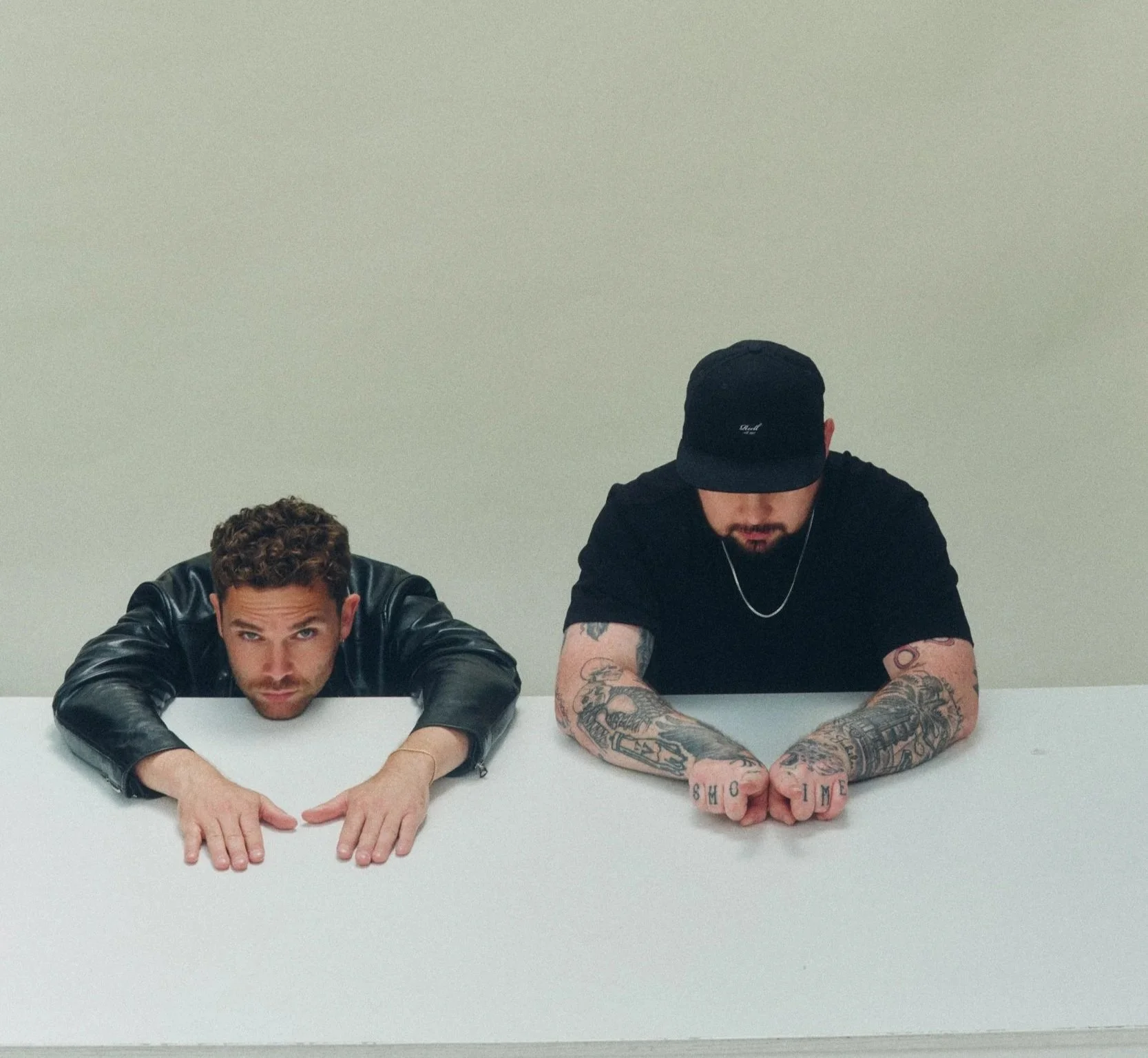
The Members: Mike Kerr, vocals, bass, keyboards; Ben Thatcher, drums, percussion.

Produced by: Royal Blood; Mike Kerr and Ben Thatcher.

Recorded at: Royal Blood’s Brighton, UK studio

The Origin: Possessing a striking powers-of-ten perspective—hearing, then capturing, the spaces where smaller sonics are found and different frequency decades are transformed into massive, colossal sounds—the globally renowned riff-rockers, Brighton, UK-based drum-meets-bass duo Royal Blood wield a natural mastery over micro-to-macro sound-craft sorcery. This acoustic skullduggery arrives naturally for Royal Blood and thrives on a longstanding friendship and love for finding and magnifying these auditory pockets.

The result is a signature style, identifiable within the first few bars: dark and brooding, bluesy, heavy-hitting rock rhythms that rise and fall in accordance with vocal verses dripping with sultry snarls and bombastic boldness. Yet it’s the duo’s application of the inverse — breaking down the loud and creating space when a song calls for a more melodious sound — that reveals the true brilliance of their sonic subterfuge. This interplay creates a high-stakes game of margins for the duo, who consistently rewrite the rulebook on how to build a beat and know when, where, and why to place a sound, defying conventional compositional assumptions and dismantling all spatial bounds.

While the full details of Royal Blood’s inception are frequently glossed over — with many accounts pinning their trajectory around the duo’s 2014 self-titled debut, then matching it alongside their meteoric rise after the duo garnered the attention of iconic rock titans like Arctic Monkeys, Queens of the Stone Age, and Foo Fighters — the truth beneath the mythos follows a more human path: a band pursuing its passion, fueled by a love of creating music, and ignited by the magic of performing live. By simply playing for the fun of it — by some strange twist of fate, they found success.

It was a dual hustle: slogging through the local underground lines of the London-by-the-sea music scene while finding studio time to follow a “what-if” impulse. Chasing wide-open audio dreams, they recorded murky melodies that sank deeply into dark harmonies, trying anything and everything. Listening closely to the instinct within, they maintained their two-piece dynamic, which augmented their synergy, ultimately emerging from a locked-down, soundproofed room with their four-track Out of the Black EP (2014). Its all-out rock-and-roll blues, heavily infused with their now-trademark infra-inverse-ultra frequencies, showcased the massive anthems “Little Monster” and “Come On Over.” Serving as precursors for what was yet to come, the early releases introduced the world to their supercharged output of sound, paving the way for the colossal hits that followed, ensuring everyone instantly knew that Royal Blood was here to stay — no need to “Figure It Out.”

After years of working within conventional studios, while also setting up their own personal recording environments — including an early stint turning the back of their tour bus into a recording space — Royal Blood’s sonic alchemy continued to evolve through the garage-rock heights of How Did We Get So Dark? (2017) and the sleek, electro-rock-funk frequencies of Typhoons (2021). This spatial transition eventually culminated in the duo working fully from their own Brighton-based studio, a creative milestone that became central to self-producing their fourth full-length release, Back to the Water Below (2023).

Having embraced their creative arc, yet in need of a brief respite away from the road and writing, Royal Blood stepped away for a bit — however, their urge to keep seeking all of those lost or not-yet-captured sounds lingered. Locking themselves away from the world’s external gaze, they returned to their sanctuary, their private tracking space, to let the music lead the way. Below, the affable lead vocalist/bassist Mike Kerr and drummer Ben Thatcher strip away the studio mystique to detail how they found a new round of wild and supersonic sounds as they returned to the helm for their high-octane fifth chapter, Dead Company (Nov. 13th, 2026).

The Production: Ever attuned to the unpredictable energy of a room — from small clubs to massive venues — Royal Blood instantly tapped into that fritzed-out buzz during the recording process for Dead Company in their Brighton-based studio. This served as the subconscious catalyst for flipping the script on the traditional writing and recording process. Reflecting on this, Mike Kerr notes their artistic compass was beautifully simple: “to try to get as much excitement into the performances as possible.”

While Royal Blood touched the third rail in the midst of penning new material, one specific track exploded, giving the duo an immediate glimpse of the potential sonics on the horizon, sparking the energy they were seeking. Kerr recalls:

“I think 'Swallow the Bomb' was the first thing we wrote for the record. It just came out of the gates really, really hot. And I think we became excited about playing heavy and fast again… it set us on the trajectory for the record.”

That hard, driving momentum naturally began to shape a broader narrative. “After maybe another four or five songs in, I realized there was a theme that was subconsciously emerging,” Kerr says. “It was an all-in attitude. I think that helped me finish the record and work out how to fill in the gaps as the initial themes were all about perseverance, really, and the positives of having that relentless mindset. I was listening to what the music was telling me — it was all informed by the excitement.”

With that newfound adrenaline locked in, Royal Blood drew from the kinetic energy that always defined them, hammering out the material together as much as possible before officially hitting record.

“Because we wanted to play these songs live, it was just about running through these tracks together as much as possible before we started officially tracking — getting them to the point where they are ready for us to sit down and actually record,” Kerr explains.

In embracing this instinct, their signature approach of splitting open massive frequencies reemerged — but it was achieved completely without excessive studio layering, relying instead on the grit of their two-piece synergy.

“If we feel like a song requires more layers, we can become suspicious of it,” Kerr notes. “The goal for this record was, ‘how do we make things feel full and exciting with the minimal ingredients that we have?’ We wanted every track to feel completely untamed and wild, and to really come from that place. Anything we do add is subtle and effective, rather than being integral.”

To pull off this minimal, unlayered approach, the foundation of the tracking sessions fell squarely onto Thatcher. Armed with a deep familiarity with their Brighton room, the duo understood exactly how to extract the massive tones and dynamic punch desired. He explains:

“We know how to get a really good drum sound from that studio because we've worked there on previous records. It's not a massive room, but it's not small either — it has a high ceiling. Our engineer, Pete, knows the space quite well too, so we already knew how to extract what we wanted.”

That intrinsic comfort meant the most explosive, energetic takes could arrive almost instantaneously, bypassing the need for endless reps and replication.

“The most energetic drum take could be in the first three times of recording it,” Thatcher adds. “I think we had done so much work on the previous record with sound design and everything that it was all set up. But throughout the creation of this album, it felt like we wanted to do almost the opposite — to just play together and not worry about a perfect take. That letting go is what gave it the energy.”

As this heavy, untamed energy surged through the tracking sessions, the duo faced their next psychological hurdle: knowing when to stop turning knobs and leave the songs alone. In a modern digital landscape, the temptation to endlessly rerecord a take or tweak a mix can easily become a trap. For Royal Blood, the beauty this time around lay in chasing the feels and prioritizing vibe over perfection. Kerr describes this mindset:

“It could be an endless process, and it could never be done really—you could endlessly be fine-tuning it. But the ethos that we were trying to embody on the record was that looking perfect isn't really what we're going for here. It was about energy and trying to capture something that was exciting and not overthought.”

Megan Perry

Megan Perry Moore

Photographer | Author | Music Essayist

Megan Perry Moore is a Seattle and Los Angeles-based photographer and author with an extensive portfolio documenting well-known artists and musicians throughout the industry. She is currently a contributor to Music Connection Magazine, providing live coverage, industry profiles, and regular features focused on the technical and creative pulse of the modern music scene (A Song That Changed My Life; In the Studio).

Megan’s professional perspective is informed by a deep history within the studio system, having begun her career at Moir/Marie Entertainment under veteran manager Steve Moir and later serving as Assistant Studio Manager at the legendary NRG Recording Studios. This foundational experience, combined with her work as a publicist for gear companies and producers, allows her to navigate the private creative spaces of artists with a unique technical fluency.

Her career is backed by a prestigious editorial history, including photography and features for Rolling Stone, SPIN, Electronic Musician, Guitar Player, and various indie publications. For Alternative Press, she notably served as the In the Studio columnist and lead photographer, providing an intimate look at the recording process of many influential bands.

She is the author of two definitive books: How to Be a Record Producer in the Digital Era (Billboard Books / Penguin Random House) and WIRED: Musicians’ Home Studios (Rowman & Littlefield), featuring artists such as Snoop Dogg, No Doubt, and Sonic Youth. Megan is currently in production on WIRED v2.0, a follow-up series documenting a new generation of artists in their personal recording environments.

Megan maintains a private workroom and archive in Seattle, where she continues to develop custom, large-scale photographic installations. Her archive spans a diverse range of subjects, from an extensive collection of indie high-art rock photography to profound nature and wildlife studies—including specialized work in partnership with the Snow Leopard Trust for their annual conservation initiatives.
https://www.meganperry.com
Previous
Previous

Russian Circles

Next
Next

Sleep